Echoes of Protest – A Conversation in 2050
Year: 2025
Discipline: audiovisual arts
Technique: video work
Description:
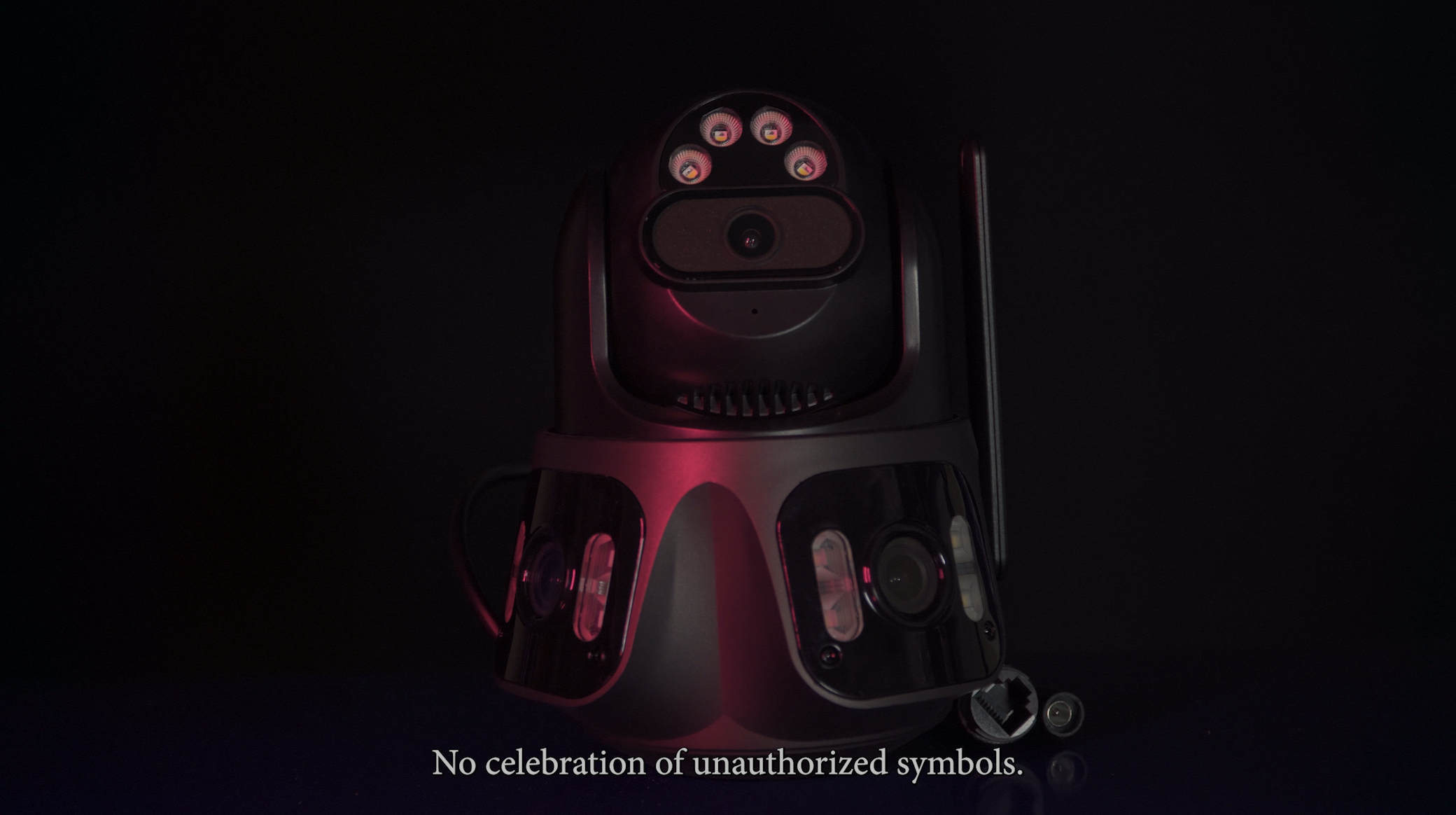
"Echoes of Protest – A Conversation in 2050" is a speculative dystopian video artwork that envisions a future where the right to protest has been utterly extinguished. In this world, objects that were once present in the past peaceful protests — such as balaclavas, security cameras, and passports — find themselves as relics of a bygone era, their right to exist now dubious. The viewer is left to ponder whether these objects represent preserved memories or fugitives resisting an oppressive regime.
Commission by Amnesty International.
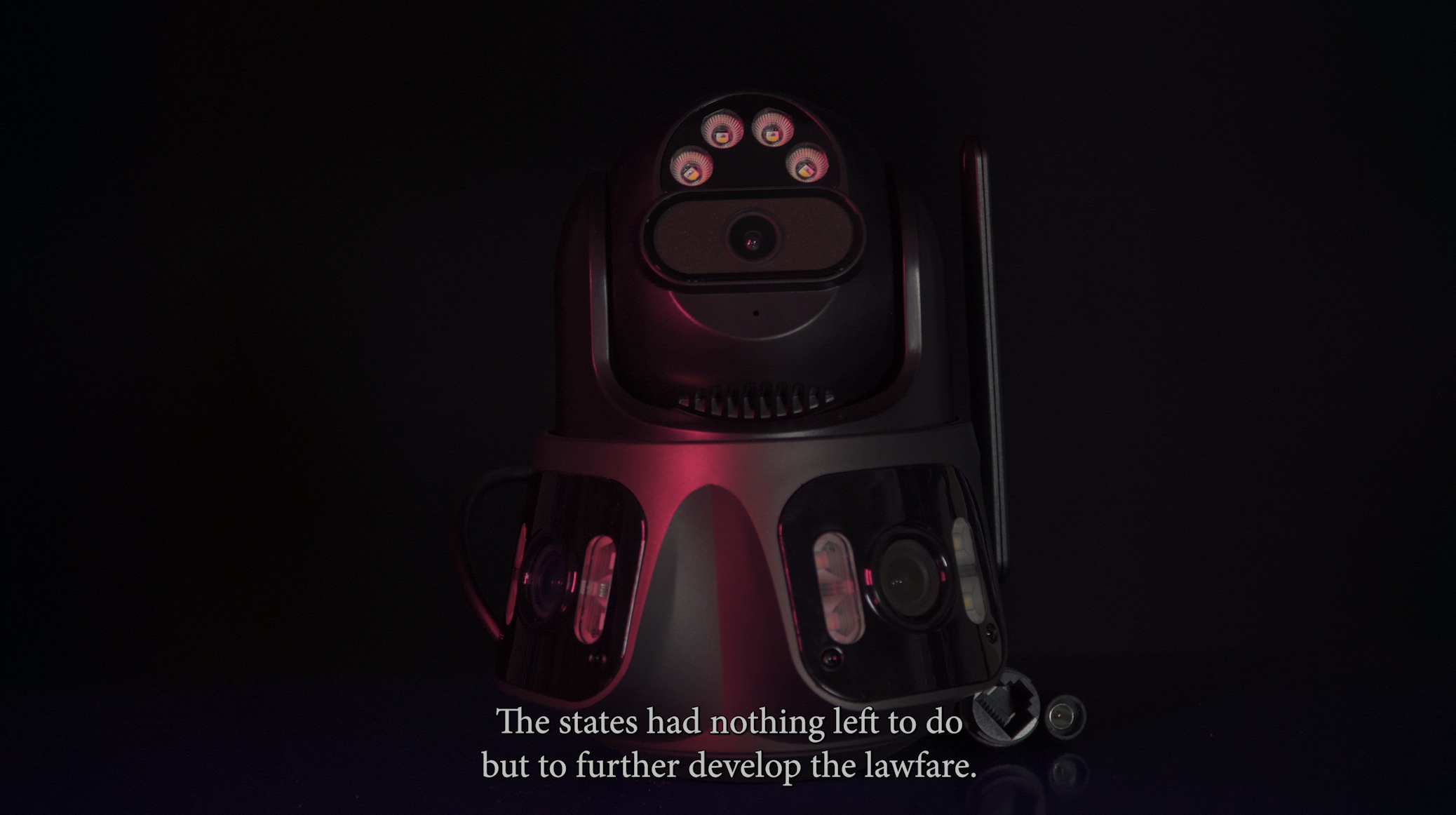
conversation 1: they were called terrorists
It is 2050. Objects that once moved through protest crowds are speaking. The word they return to, again and again, is terrorist — applied in Turkey to children, thousands of them imprisoned for their proximity to Kurdish political life; echoed in Greece, in France, by officials tightening the grip. Against this, an ancient Kurdish legend surfaces: a weaponsmith who armed an army of children to bring down a king who fed them to the snakes on his shoulders.
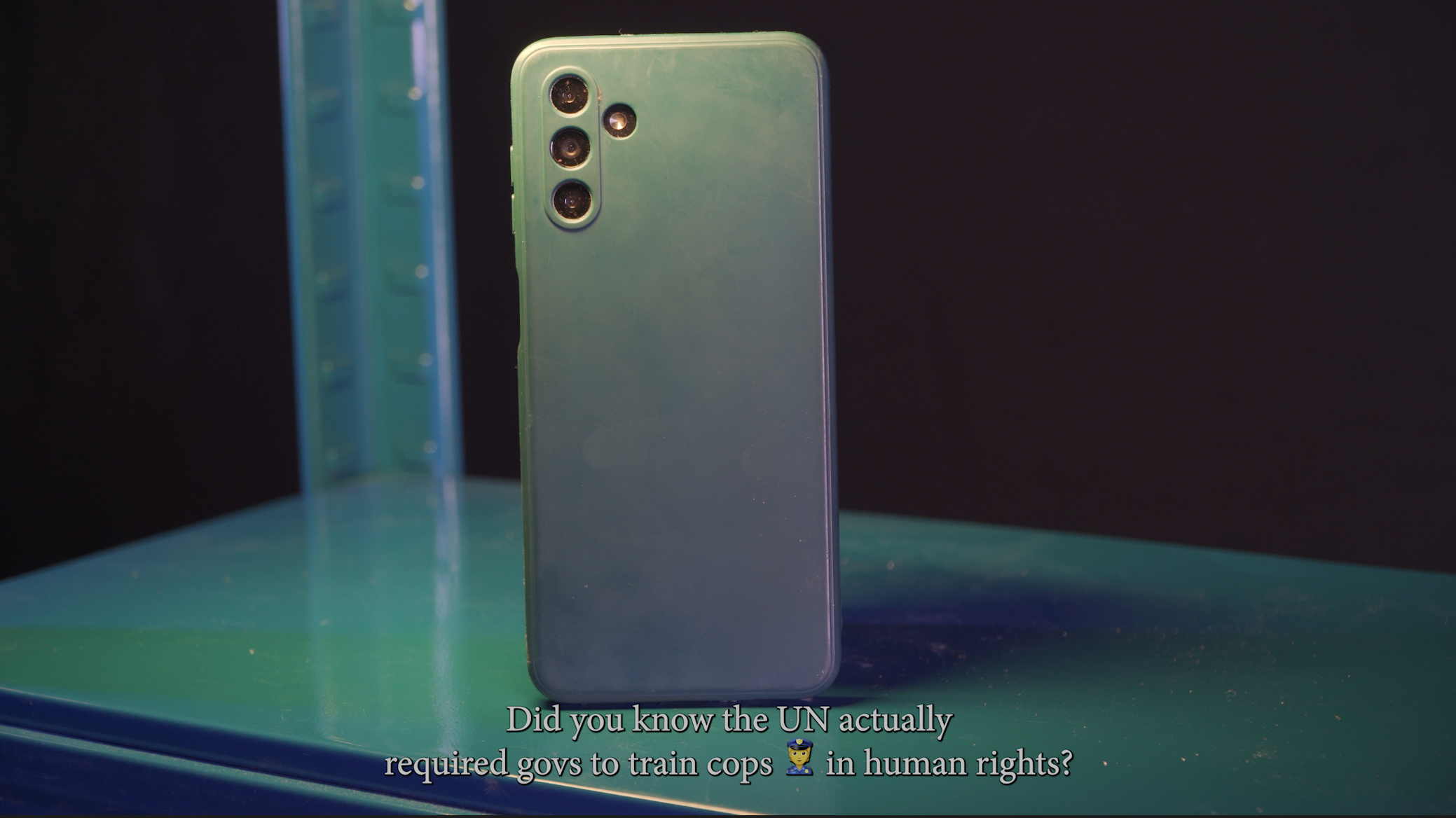
conversation 2: peaceful by default
It is 2050. Objects from the protests are speaking. Some of them have read the law. Every protest, according to international legal standards, must be presumed peaceful by default. States are not merely permitted to allow protest — they are obliged to facilitate it, to guarantee access, to ensure that everyone, regardless of status or means, can participate. Police presence at a peaceful demonstration is only lawful if officers have received specific training for it. The objects find this remarkable because in 2020’s in certainly did not feel this way.
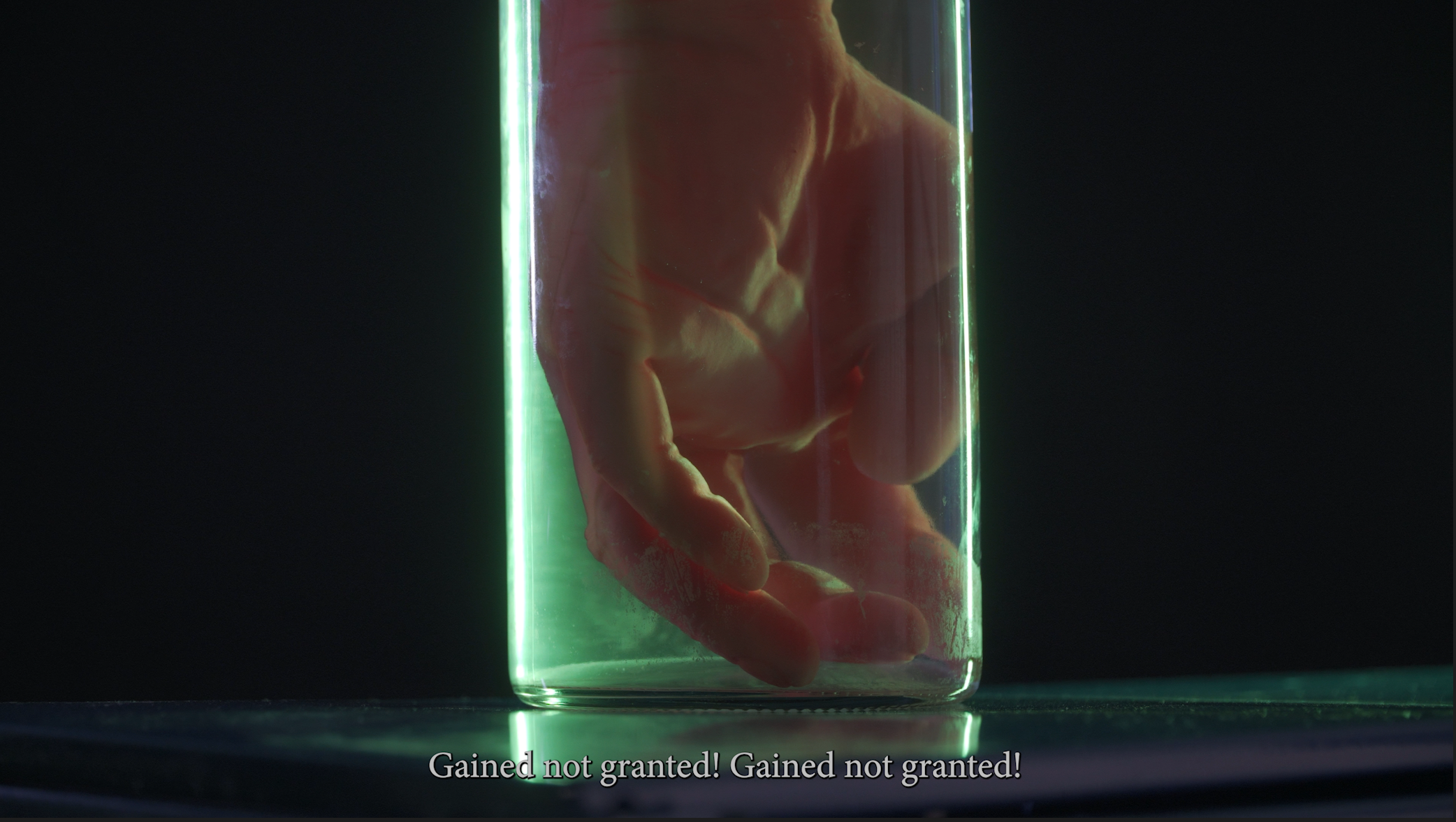
conversation 3: human rights
It is 2050. A tin of Campbell's soup, a European passport, a keffiyeh, a severed hand — each carries its history. Together they circle a question that has no clean answer: who does the idea of human rights belong to? The Enlightenment concept arrived with built-in absences — women, the poor, the enslaved and others — while the states proclaiming universal dignity were running empires and codifying racial hierarchies. Other traditions had always known how to tend to life: Ubuntu, the Haudenosaunee Great Law, Andean ayllu, Buddhist ethics of compassion. And yet — human rights have also been weapons in the hands of those who had none. Both things remain true: human rights are a colonial artifact and a decolonial instrument.
conversation 4: anger gave her wings
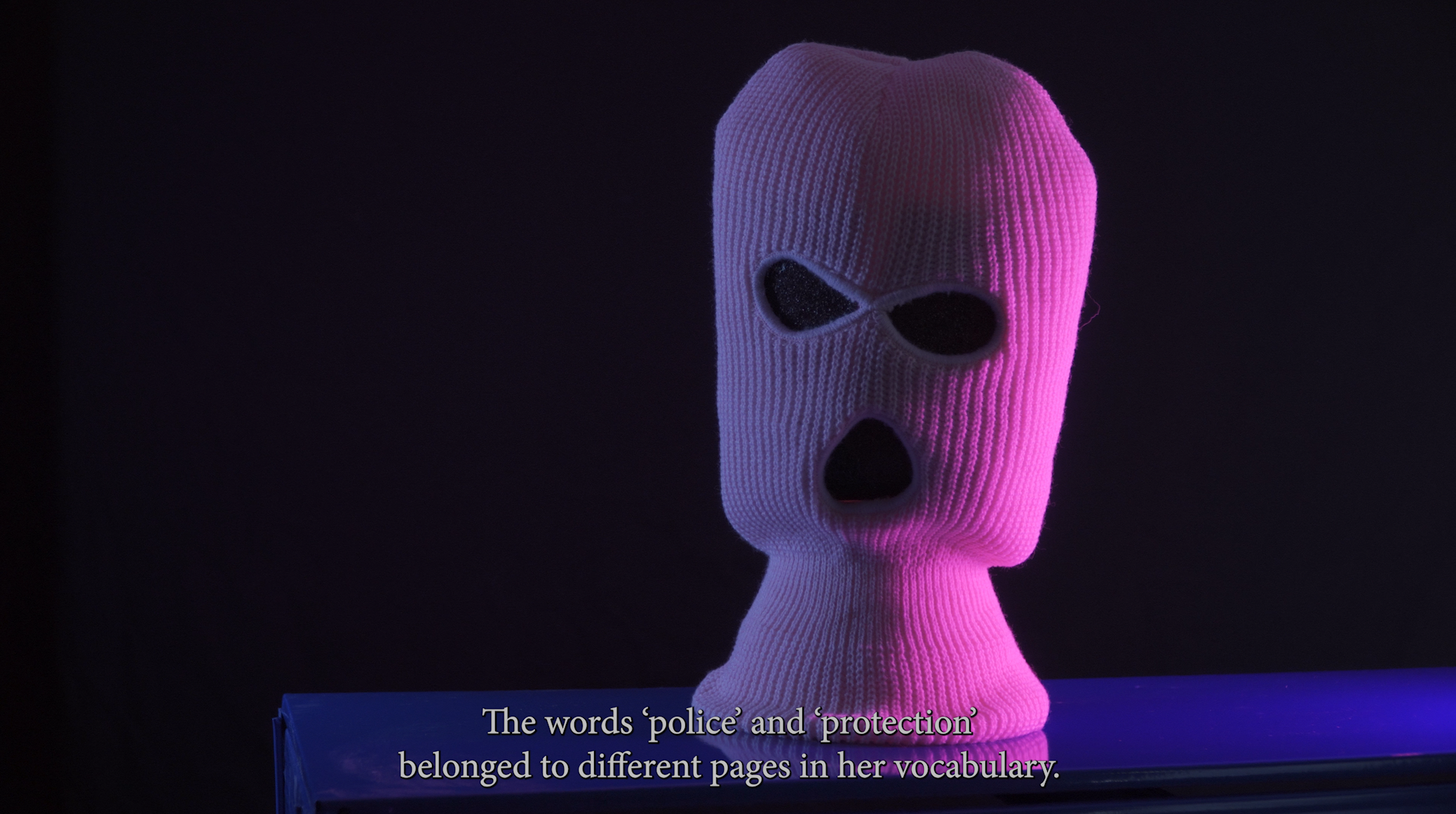
It is 2050. A balaclava is speaking. It carries the memory of a woman — undocumented, a sex worker — who wore it to join the protests in France, where covering your face in public is itself a punishable offense. She wore it anyway, because the consequences of being seen could have been even worse. This video holds that contradiction carefully: the right to protest is called fundamental, but who gets to exercise it freely, and who must choose between visibility and safety? Not everyone arrives at the demonstration from the same place.
conversation 5: not any protest
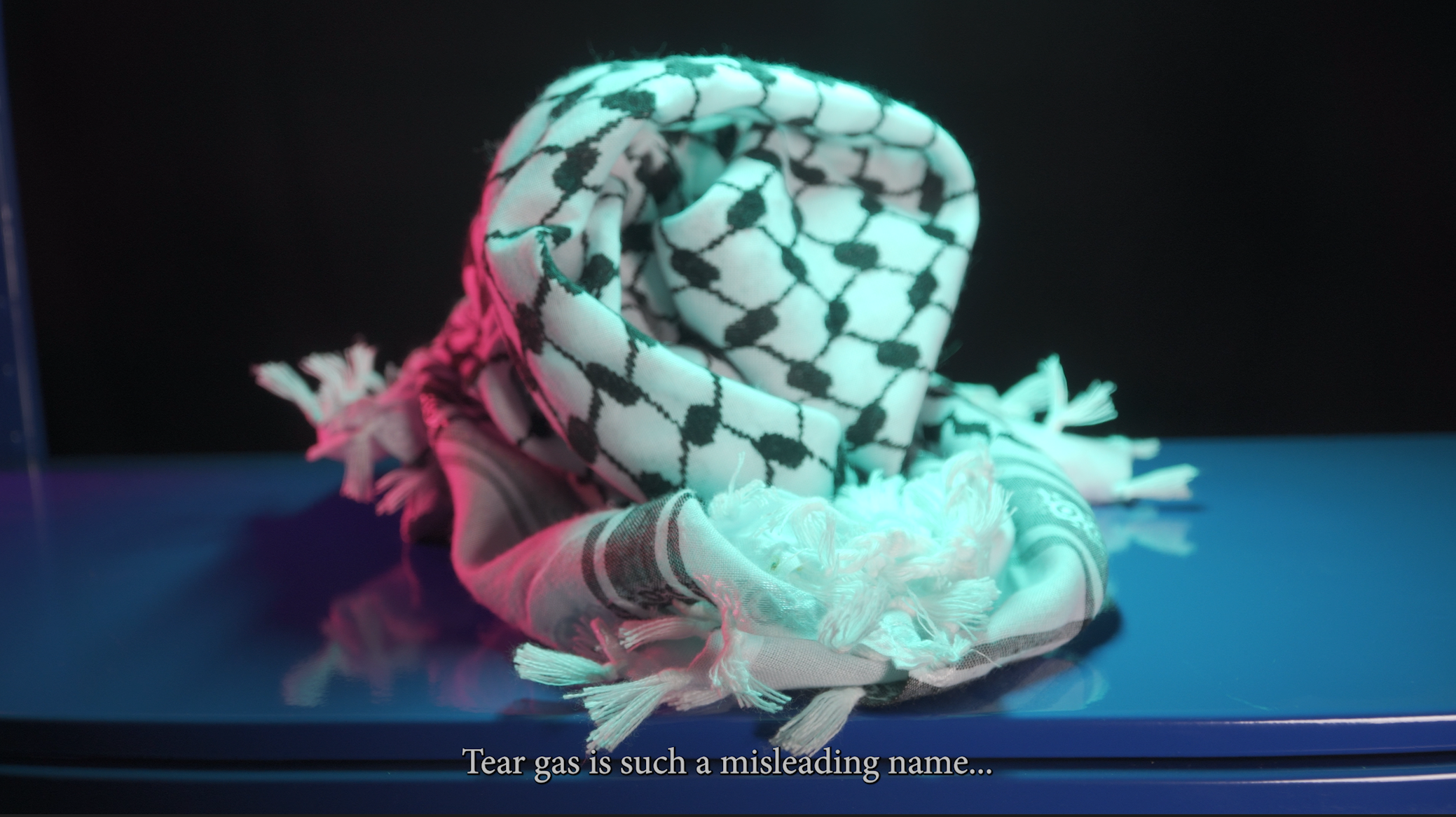
It is 2050. A keffiyeh and a surveillance camera are talking to each other, somewhere unknown. The camera quotes a French politician in 2024 or 2025: the pro-Palestinian protest had to be dispersed because, seven years prior, people at a Palestinian demonstration had been disobedient. A threat to public safety, even if the argument doesn't hold up to any logical scrutiny.